
There’s nothing quite like coming home to a soggy patch of lawn that shouldn’t be there, or watching your toilet gurgle back at you when you flush it. More often than not, when Perth homeowners start noticing these strange plumbing symptoms, the culprit isn’t a faulty pipe at all — it’s a tree root that’s decided your sewer line looks like a pretty good source of water and nutrients.
Tree roots and underground infrastructure have never really gotten along, and here in Perth, with our sandy soils and thirsty root systems searching far and wide for moisture, the problem is more common than most people realise. So if you’ve started to suspect a tree on your property (or your neighbour’s) is causing damage below ground, here’s what you need to know — and what to do about it.
Why Do Tree Roots Target Pipes and Foundations in the First Place?
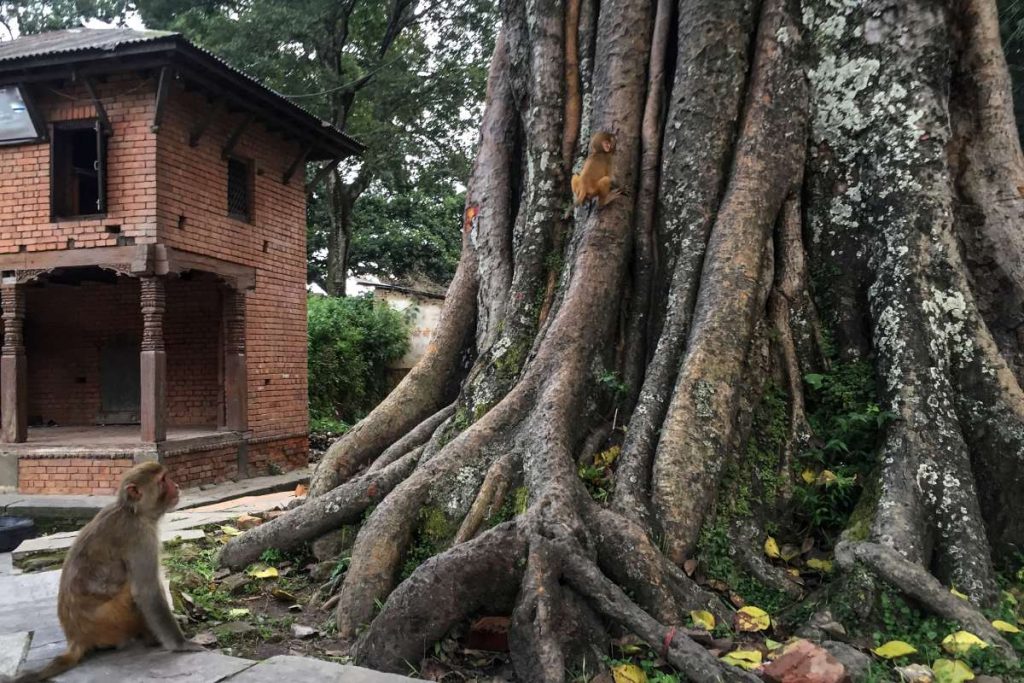
Roots aren’t malicious. They’re not deliberately hunting down your sewer line to cause you grief. What’s actually happening is far simpler: roots grow toward moisture, oxygen, and nutrients, and older pipes — particularly ageing clay or concrete sewer pipes with small cracks or loose joints — are often leaking just enough water to act like a beacon.
Once a root finds its way into even the tiniest gap, it doesn’t stop there. It thickens over time, wedging the crack further apart and allowing more roots to follow. Eventually, what started as a hairline fracture can become a significant blockage or a fully collapsed section of pipe.
Foundations are a slightly different story. Rather than growing into the concrete itself, root systems can affect foundations indirectly, through changes in soil moisture. As roots draw water from the surrounding ground, particularly in Perth’s reactive clay and sandy loam soils, the soil beneath a slab or footing can shrink and swell unevenly. Over time, this movement can lead to cracking in slabs, uneven flooring, or doors and windows that no longer sit quite right in their frames.
Warning Signs You Might Have a Root Problem
Some signs are obvious, others are easy to miss until the damage is well underway. Keep an eye out for:
- Slow-draining sinks, showers, or toilets that don’t improve after a plunge
- Gurgling sounds coming from drains, especially after the washing machine or dishwasher runs
- Unusually lush or damp patches of lawn, even during dry spells — a sign that wastewater may be leaking underground
- Sewage smells near the yard or under the house
- Cracks appearing in walls, cornices, or slabs, particularly near large, established trees
- Doors and windows sticking that never used to
- Visible root heave, where roots have lifted paving, driveways, or garden edging
If you’re noticing more than one of these at the same time, it’s worth getting things checked out sooner rather than later.
What To Do If You Suspect Root Damage
1. Don’t ignore it and hope it goes away
Root intrusion doesn’t fix itself, and it very rarely stays the same size for long. A small crack this year can become a collapsed pipe next year, especially once roots have established themselves inside a line. The earlier you act, the cheaper and less invasive the fix tends to be.
2. Get a plumber to run a camera inspection
Before you touch a single branch, it pays to know exactly what you’re dealing with. A licensed plumber can run a CCTV drain camera through your sewer line to confirm whether roots are present, how extensive the intrusion is, and whereabouts along the pipe it’s occurring. This step matters because it tells you (and your arborist) exactly which tree is responsible — it’s not always the one closest to the problem.
3. Clear the immediate blockage
Depending on the severity, your plumber may recommend mechanical root cutting, high-pressure water jetting, or in more serious cases, relining or replacing a section of pipe. This solves the immediate issue, but on its own, it’s rarely a permanent fix if the tree responsible is left completely untouched.
4. Bring in a qualified arborist
This is where we come in. Rather than jumping straight to “just cut the tree down,” a proper arborist assessment looks at the whole picture: the tree’s species, its age and condition, how close it is to the affected pipe or footing, and whether root management, selective pruning, or a root barrier could resolve the issue without removing a healthy, mature tree altogether.
In many cases, root pruning — carefully cutting back roots that have grown toward the problem area — combined with the installation of a root barrier, is enough to prevent regrowth into the same pipe. This protects the tree’s long-term health while keeping its roots away from your infrastructure.
Removal is only really recommended when the tree is a known aggressive-rooting species planted too close to the house, when the pipe or foundation damage is severe and ongoing, or when the tree’s health and structure are already compromised. It’s never our first suggestion — we’d always rather help you keep a healthy tree where it’s safe to do so.
5. Address the pipe itself, not just the roots
Remember, roots are opportunists. If there’s a leaking joint or a cracked section of pipe, cutting back the roots today doesn’t stop new roots (from the same tree, or a different one nearby) finding their way back in a year or two. Repairing or relining the damaged section of pipe is what actually removes the incentive for roots to keep coming back.
Can You Prevent This From Happening in the First Place?
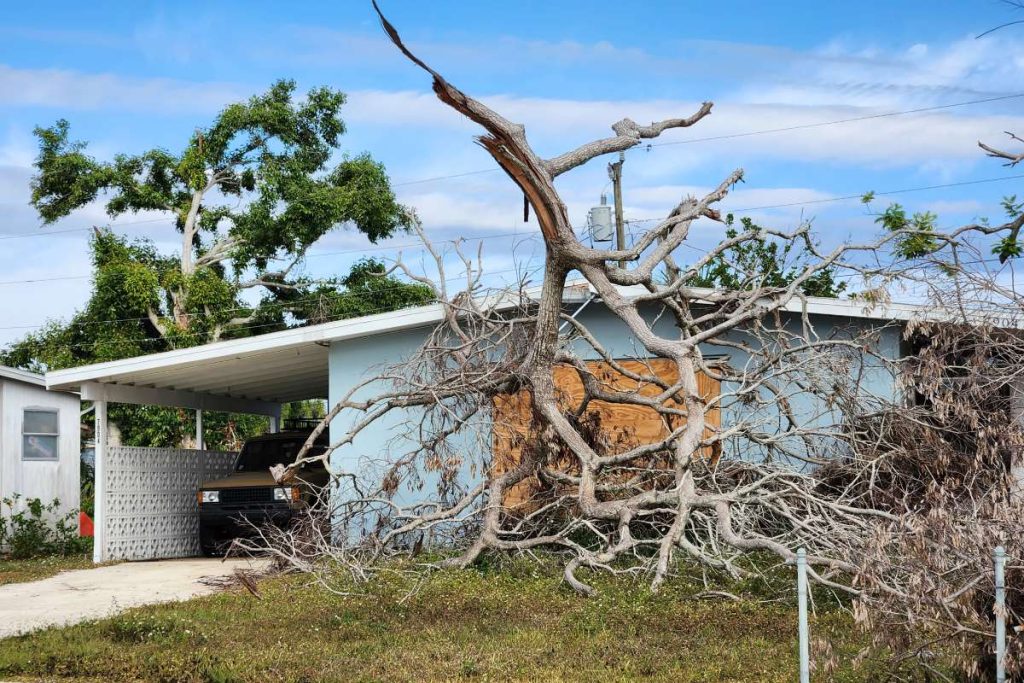
If you’re planning new plantings, or you’ve got young trees on the property, there are a few things worth thinking about:
- Choose species with less aggressive root systems if planting near pipes, driveways, or foundations
- Keep a sensible distance between large trees and underground services — as a rough guide, the more vigorous the species, the further back it should go
- Install root barriers proactively around new plantings near known pipe runs
- Get pipes inspected periodically, especially in older Perth homes with clay or older PVC sewer lines
- Have a certified arborist assess established trees near ageing infrastructure, even if you haven’t noticed problems yet
Don’t DIY the Diagnosis (Or the Fix)
We get it — a chainsaw feels like a quick solution when you’ve just found roots wrapped around your sewer pipe. But removing or heavily pruning the wrong tree, or the wrong part of the right tree, can destabilise it, trigger regrowth that’s even more aggressive, or, in the case of protected native species, land you in hot water with your local council.
At AB Trees, we work alongside plumbers and homeowners across Perth every day to get to the real cause of root intrusion — not just the symptoms. Our arborists can assess whether root pruning, a barrier system, or removal is the right call for your situation, and make sure whatever we do protects both your property and the long-term health of your trees.
If you’re dealing with root damage to pipes or foundations, don’t wait for the problem to get worse. Get in touch with the AB Trees team for a free, no-obligation assessment, and we’ll help you work out the safest, most cost-effective way forward.


